


WhatsApp Follow-Up Sequences After Missed Calls for UK Local Businesses: A Practical Guide
WhatsApp follow-up sequences after missed calls for UK local businesses can turn an unanswered ring into a helpful conversation. Set the right trigger, send one clear message and stop the sequence as soon as a person takes over.
Key Takeaways
- Trigger from the right system. A missed ordinary phone call and a missed WhatsApp call may appear in different call logs.
- Keep the first message useful. Say who you are, acknowledge the missed call and offer a simple next step.
- Keep the sequence short. Start with one message, then consider one brief follow-up on the next working day if there is no reply.
- Stop on reply. Cancel pending messages when the caller responds, books, opts out or a team member takes ownership.
- Protect caller details. A missed call alone does not give permission for marketing; suppress messages when you cannot match the caller reliably.
- Coordinate the handover. Use one shared status for WhatsApp and SMS so a caller does not receive duplicate nudges. For more local business messaging ideas, visit the BryteChat business messaging blog.
Start by identifying which call was missed
A missed ordinary phone call and a missed WhatsApp call can create different records. Your phone system may capture an ordinary inbound call, while a WhatsApp call may appear in WhatsApp or a connected service, so first identify which system holds the event and caller details.
Use an unanswered inbound call in your phone system or call log as the missed-call trigger, then pass that event to your messaging workflow.
Match the number in international format. For a UK caller, use +44 followed by the number without its domestic leading zero, and suppress the send if caller ID is withheld, the number is malformed or you cannot match it reliably to a WhatsApp contact.
- Exclude calls that reached voicemail if you do not want them to trigger a text-back.
- Exclude cancelled calls and calls already handled by a team member.
- Check call routing when one number serves several staff or branches, so the message goes to the right team.
These checks stop the wrong person receiving a message and prevent an automated follow-up after a colleague has already called back.
Write a first message that acknowledges the call
How do you politely follow up on WhatsApp? Identify your business, say you missed the call and give the caller a clear way to reply or request a callback.
Hi [first name], it’s [business]. Sorry we missed your call. How can we help?
Use a first name only when the field is reliable. If a personalisation variable is empty or unresolved, remove it rather than sending a raw placeholder to a customer.
Keep the message focused on the likely reason for the call. Do not add a promotion or guess what the caller needs; a missed call is a request for a response, not an invitation to send a sales pitch.
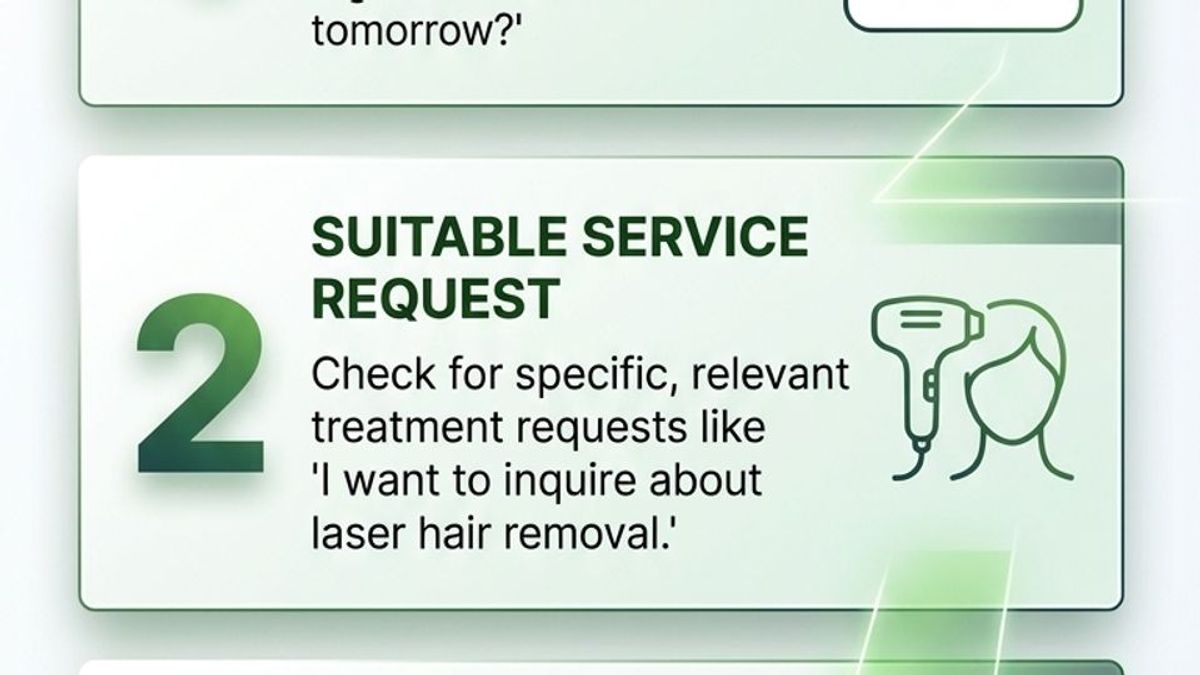
Give people a next step that suits your business. A salon can ask which service they are enquiring about, a gym can ask when they would like a callback, and a restaurant can invite them to share the reservation details they want help with.
Do not ask for sensitive information in an initial automated message. Keep it brief, make the business easy to identify and let the caller choose what to share.

Source: WhatsApp for Business, based on Kantar research commissioned by Meta

Did You Know?
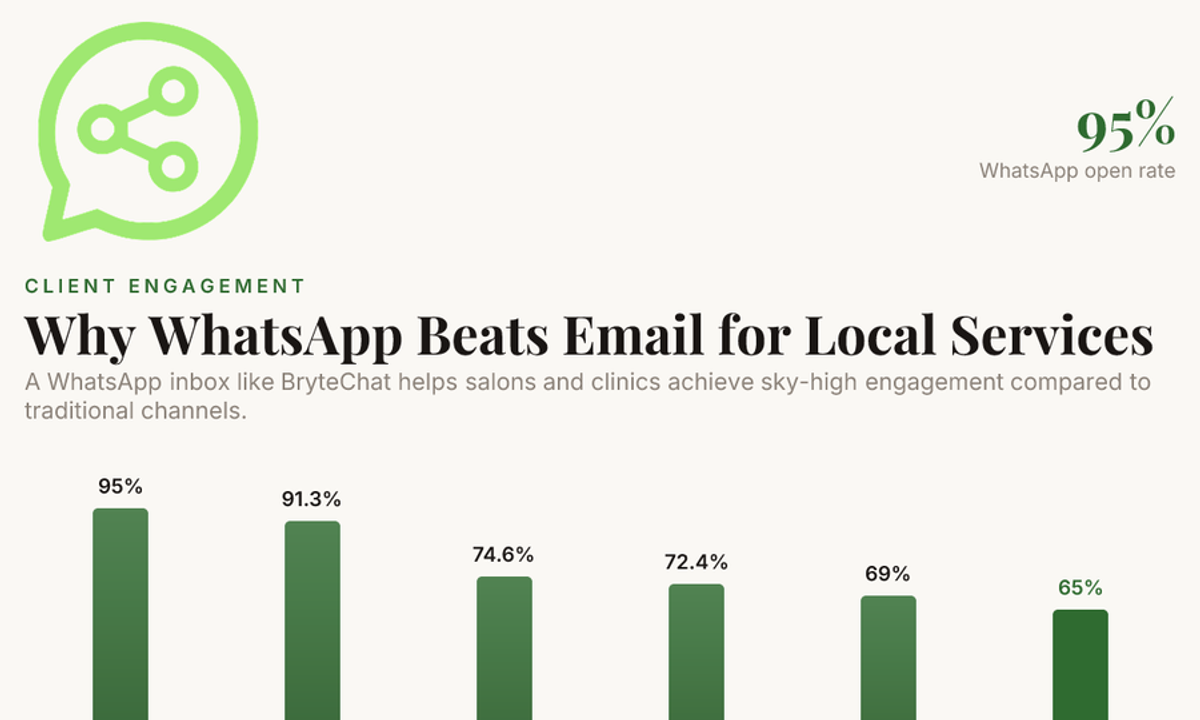
72.4% of consumers are more likely to buy from brands that offer messaging.
Source: WhatsApp for Business, based on Kantar research commissioned by Meta
Space follow-ups and stop when the conversation starts
Send the first message during staffed business hours where practical. If someone calls after closing, acknowledge the call during the next opening period unless you have clearly told callers to expect an out-of-hours reply.
Start with one missed-call text-back. If the caller does not reply, consider at most one short follow-up on the next working day; repeated nudges close together can feel intrusive and make it harder for staff to manage replies.
Build a stop-on-reply rule into the sequence. Cancel pending steps as soon as the caller replies, opts out, books or a staff member takes ownership of the enquiry.
Use one sequence status across WhatsApp and SMS workflows. Tie it to the call event so a single missed call cannot launch duplicate follow-ups from two systems.
Check permission, privacy and WhatsApp messaging rules
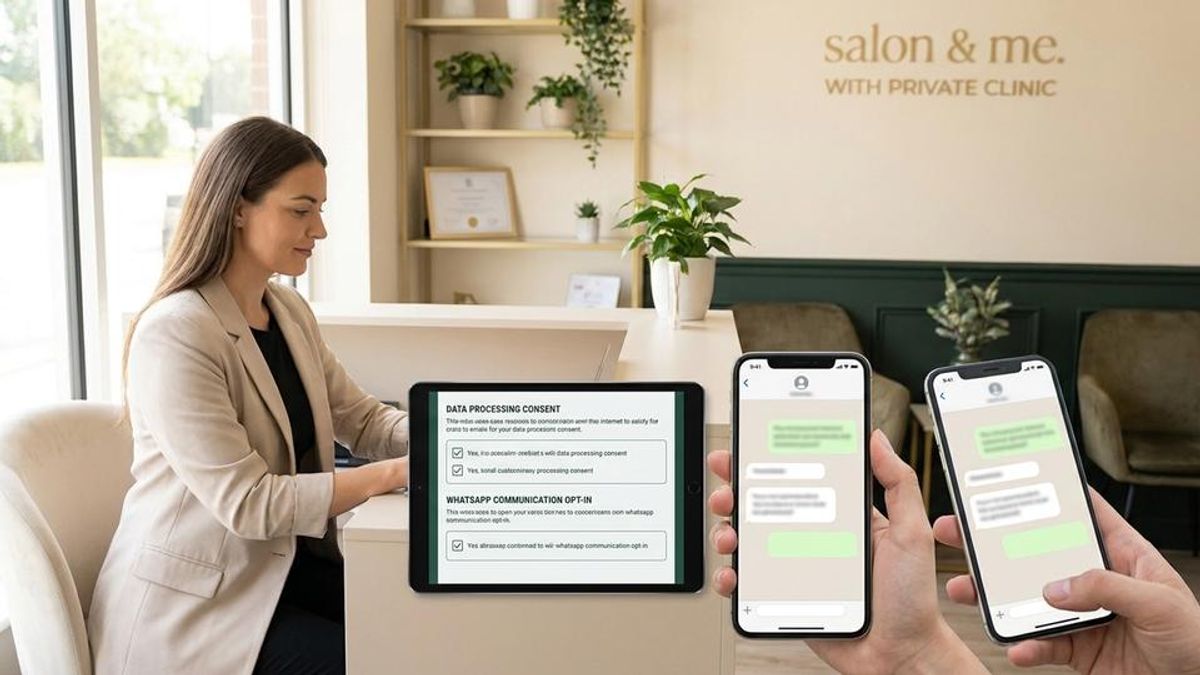
A missed call alone is not blanket permission to send marketing. Check your permission and privacy approach before messaging, and keep the first contact limited to responding to the caller’s enquiry.
Record opt-outs and suppress future messages promptly. Make it straightforward for someone to say they do not want further contact, and restrict access to contact and call details to staff who need them.
Collect and retain only the call and contact details needed to handle the enquiry. Set a clear process for removing details when you no longer need them.
For WhatsApp Business Platform or API messaging, a missed phone call does not open WhatsApp’s customer-service window; a message from the customer does. You can send free-form replies while that window is open. If it has closed, use an approved template to start or resume the conversation. Check which messaging setup you use before building the trigger, because the template rule applies to the Platform/API workflow.
- Separate service from marketing. Decide whether the message is responding to the call or promoting something. Check PECR requirements before adding marketing content; the missed call itself is not marketing permission.
- Document your UK GDPR approach. Record your lawful basis, explain why you use the caller’s details and how long you keep them, and make that information easy to find.
- Control data and preferences. Keep opt-outs and objections visible to the team, limit access to staff who need it, check how your phone, inbox and automation providers handle the data, and delete it when it is no longer needed.

Route replies and sensitive enquiries to a person
Pause the sequence when any reply arrives, assign the conversation to a named team member and make ownership visible to colleagues. A shared WhatsApp inbox stops staff losing context across personal phones.
For urgent or sensitive enquiries, especially health-related messages, do not continue routine automated questions. Prompt a human callback through the appropriate route and let the caller explain what they need to a person.
If someone asks for a callback, record the requested time and hand the task to staff. Do not send the next nudge while the caller is waiting for a person to respond.
A WhatsApp CRM for local businesses such as BryteChat brings a shared team inbox, pipeline, contacts and suggested reply drafts into one place. That visibility helps a salon, clinic, gym or restaurant coordinate ownership; it gives colleagues a clear place to manage the conversation and its next step.
See the BryteChat WhatsApp inbox and CRM for an overview of its tools for businesses people text. Use a shared inbox and CRM pipeline to coordinate the handover, while keeping the call trigger connected to the phone and messaging systems that handle it.
Did You Know?
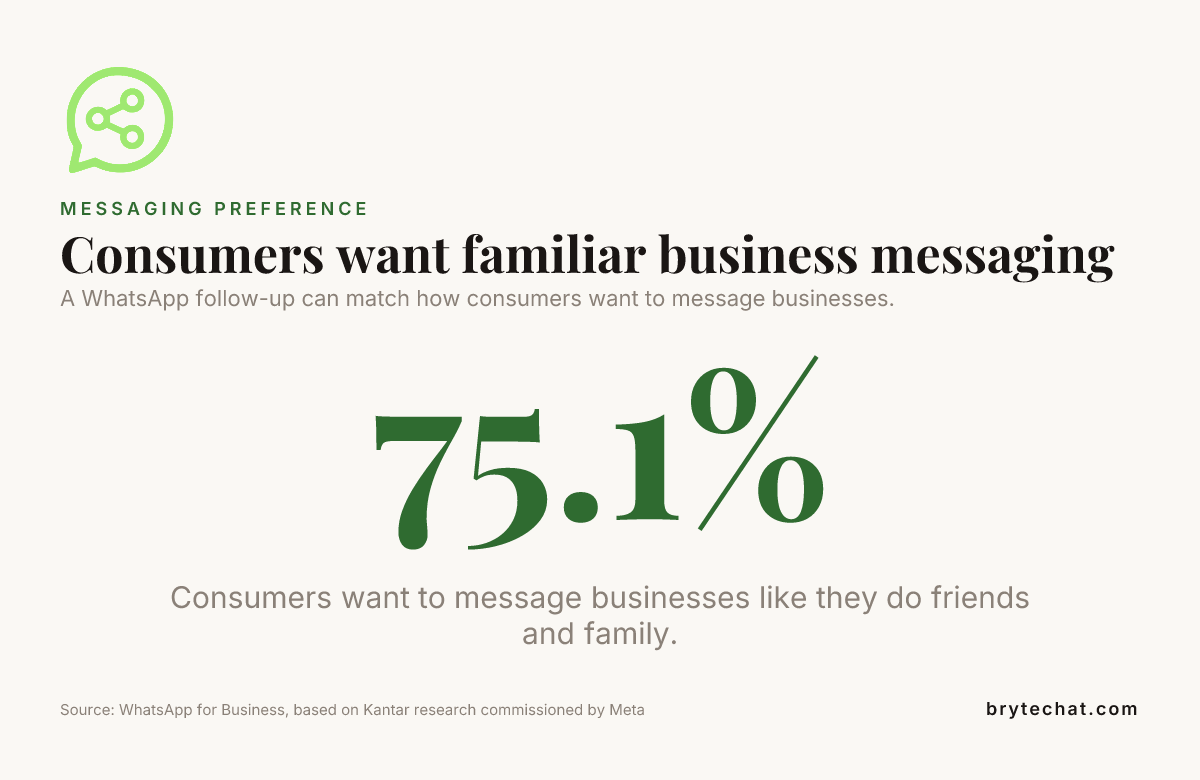
75.1% of consumers want to message businesses like they do friends and family.
Source: WhatsApp for Business, based on Kantar research commissioned by Meta
Set up the trigger, then test real-world edge cases
Connect the phone system’s missed-call event to the messaging workflow. A reply-based follow-up sequence responds to a specific call; a broadcast campaign sends a message to a list, so do not use a broadcast to handle an individual missed call.
Test the full path before using it with customers. Confirm that each case below produces the intended action:
- An answered call creates no missed-call message.
- A call routed to voicemail or cancelled follows the rule you chose.
- Withheld caller ID and malformed numbers are suppressed.
- A number without a WhatsApp account is marked as undeliverable.
- An incoming reply pauses the sequence and reaches a staff member.
- A staff callback cancels pending messages.
Check delivery status to see whether the message was delivered. If WhatsApp is unavailable or delivery fails, do not automatically switch to an SMS fallback unless the channel is appropriate and you have permission to use it.
Test after-hours timing, personalisation variables and duplicate-trigger handling. Then verify that a customer reply or staff action cancels every pending step, including any linked SMS follow-up.
Frequently Asked Questions
Can I use a personal WhatsApp account for automated missed-call follow-ups?
A personal WhatsApp account is not the right foundation for a business automation workflow. Use a business messaging setup that supports the way your team needs to manage contacts, permissions and replies.
Can a business send a WhatsApp message to a caller who uses a landline?
Use another contact route when the caller cannot receive WhatsApp messages.
What should happen if a caller rings again after the first WhatsApp message?
Treat the new call as an update to the existing enquiry, not as a reason to restart the same sequence. Make the repeat call visible to the person handling the conversation so they can judge whether to call back promptly.
Can an automated missed-call message include a booking link?
Yes, when the link leads to the relevant booking route and the caller can use it without sharing sensitive information in chat. Keep the message focused on the missed call and make the link optional rather than presenting it as the only way to get help.
Can one sequence handle calls to several business branches?
Yes, if the call event reliably identifies which branch received the call. Route the enquiry to that branch and make the location clear before sending opening hours, booking details or a callback promise.
Should the first message mention opening hours?
Include opening hours when they help the caller understand when a person can respond. Avoid promising a specific callback time unless the team has accepted that task and can meet the commitment.
How to automate WhatsApp Business messages for free?
For a no-cost approach, review missed calls manually and send a relevant reply yourself; keep any automated greeting separate from the missed-call follow-up.
What is the disadvantage of WhatsApp Business?
Choose a setup that supports missed-call triggers, shared ownership and coordinated follow-ups. Manage customer permissions and privacy carefully, and follow the messaging rules that apply to your setup.
Conclusion
WhatsApp follow-up sequences after missed calls for UK local businesses work best when the trigger is accurate, the first message is relevant and the sequence stops as soon as a person responds. Keep permissions clear, test delivery and give staff ownership of every live enquiry.
Turn a missed call into a helpful next step, not another unwanted nudge. One shared view, one short follow-up sequence and a clear handover help your team keep customers moving towards a booking.