

Measuring WhatsApp marketing ROI for UK small service businesses: a practical guide
Measuring WhatsApp marketing ROI for UK small service businesses means tracking more than reads and replies. Follow each campaign from first enquiry to completed service, then compare the extra contribution profit with the time and money you spent.
Key Takeaways
- Set one business goal first. Measure attended appointments, filled quiet-period slots or repeat visits, not message volume.
- Track every stage. Record delivery, reads, replies and clicks separately from qualified enquiries, bookings and attendance.
- Capture offline outcomes. Log enquiry sources and ask phone or walk-in customers how they heard about you.
- Calculate profit, not headline sales. Deduct service delivery costs, discounts, refunds, staff time and campaign charges.
- Use a fair comparison. A holdout group or comparable previous period can help separate campaign impact from demand that would have happened anyway.
- Keep customer data responsible. Record opt-in consent and opt-outs, limit access, and keep unnecessary health details out of marketing records.
- Need practical messaging advice? Find more ideas in our ideas for businesses building better customer conversations.
Start with a business goal and a useful KPI
Choose one primary outcome before you send a WhatsApp campaign. A salon might aim to fill quiet-period appointments, a clinic might focus on attended bookings, and a gym might seek repeat visits from members due for another session.
Set a baseline from comparable weeks or campaigns. Note the audience, offer and measurement period so you can compare like with like rather than crediting WhatsApp for a seasonal rush or a different promotion.
Match the key performance indicator, or KPI, to the goal. Use completed bookings for an appointment campaign, and contribution profit rather than message volume when you promote a discount.
Segment customers by a relevant need, such as lapsed customers or people due a repeat visit. Then make the call to action specific, such as booking a treatment or claiming a quiet-time slot.
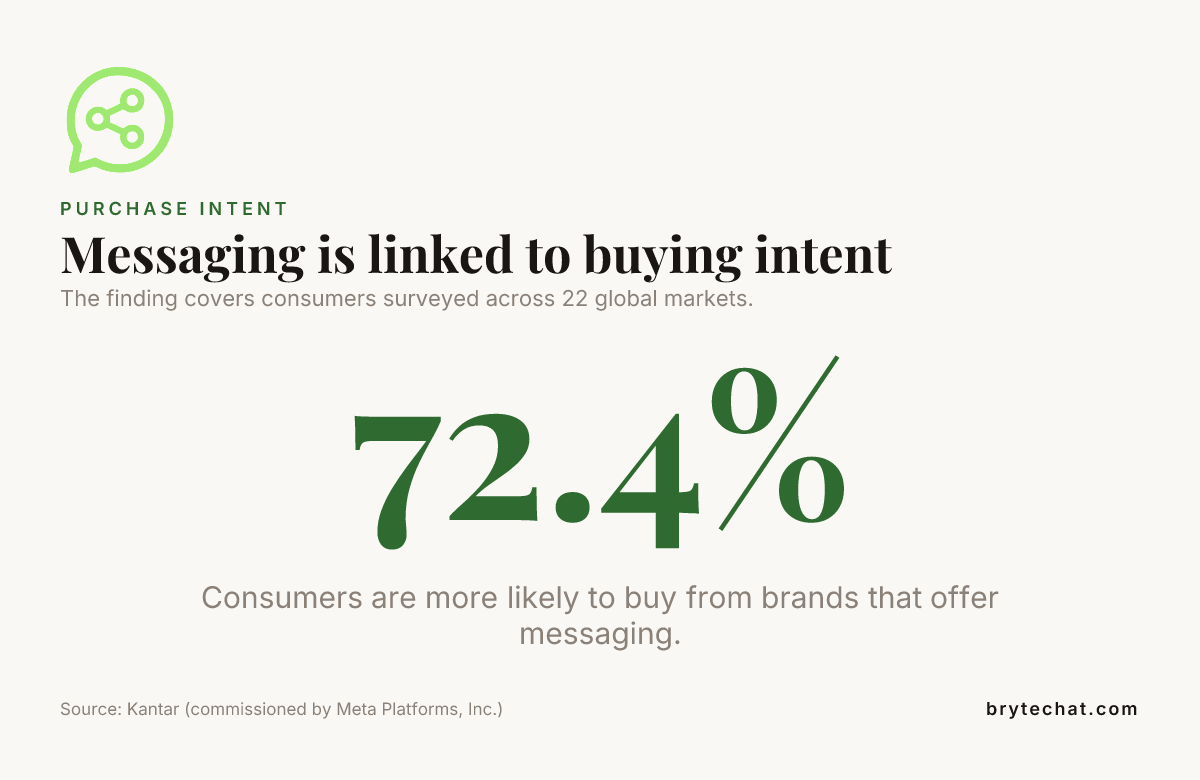
The finding covers consumers surveyed across 22 global markets.
Source: Kantar (commissioned by Meta Platforms, Inc.)
Track engagement without mistaking it for revenue
Record delivery, reads, replies and link clicks as separate stages. These engagement metrics help you spot friction, but a read or reply does not prove that someone bought or booked.
Use click-through rate to judge whether the message and call to action prompt action. Then track whether those clicks become qualified enquiries and completed bookings; a click alone is not a conversion.
For a consistent comparison, define click-through rate the same way each time, such as unique clicks divided by delivered messages. Compare it only across campaigns with similar audiences, goals and attribution windows.
For website journeys, add tracking tags to the campaign link. The UTM Link Builder creates tagged links for WhatsApp broadcasts, email and paid ads, making it easier to distinguish traffic from different campaigns.
Keep a separate way to record bookings made by phone, in person or directly in a messaging conversation. Those outcomes may not show up in website analytics, even when WhatsApp helped prompt the booking.
Connect each message to the full booking journey
Record the source of each enquiry in your booking system or a simple shared log. Track qualified lead, booking, attendance, cancellation and repeat visit as separate outcomes so you can see where the journey stops.
A practical log can include the campaign name, enquiry date, source, booking status and final outcome. When someone books by phone or walks in, ask how they heard about you and record the answer consistently.
Choose an attribution window that reflects how long customers usually take to book after an enquiry. Apply the same window to comparable campaigns, and record cancellations and no-shows as well as bookings because an unfilled appointment may not earn the expected revenue.
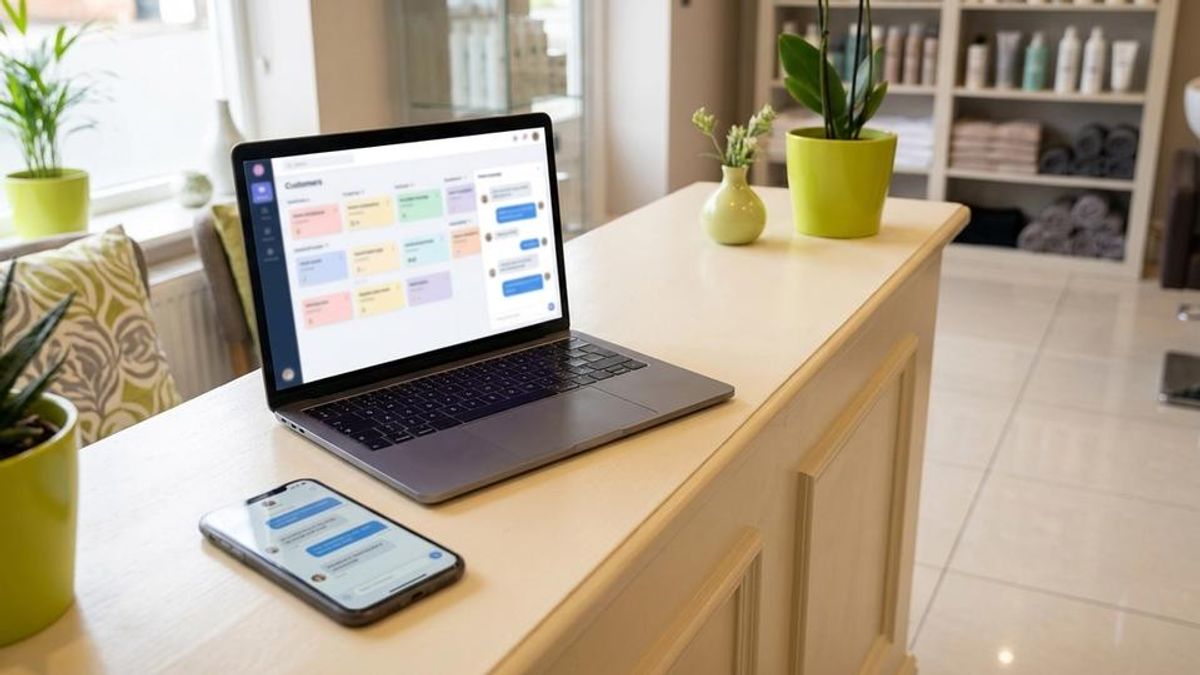
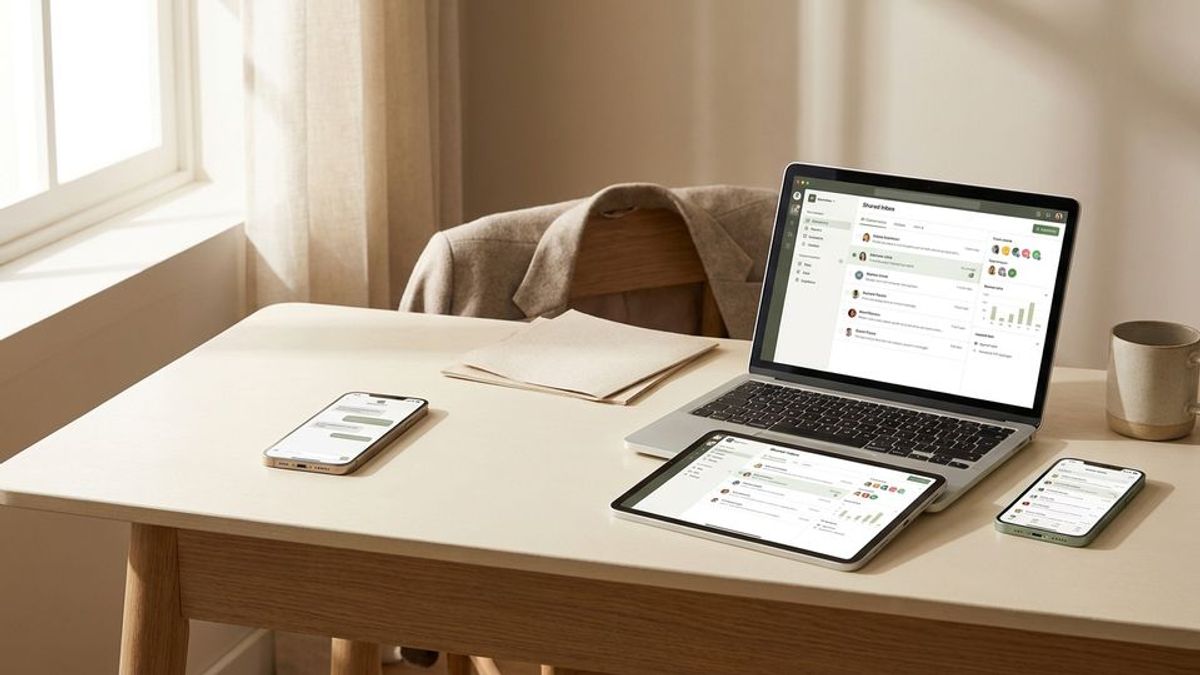
When personal phones scatter conversations across your team, a shared record is harder to maintain. BryteChat is a WhatsApp inbox and CRM for local businesses, with a shared team inbox, pipeline, contacts, suggested reply drafts and automations.

No-shows can make booking figures look healthier than the actual result. The No-Show Cost Calculator uses monthly appointments, no-show rate and average appointment value to estimate missed appointments, revenue lost and the return from reminder workflows.

Did You Know?
72.4% of consumers are more likely to buy from brands that offer messaging.
Source: Kantar (commissioned by Meta Platforms, Inc.)
Treat these broad survey findings as a reason to test messaging, not as a forecast for your own results: global preferences do not show whether your customers will book or whether a campaign will be profitable. Measure your opted-in audience’s incremental attended bookings and contribution profit against a fair comparison.
Calculate return from contribution profit, not headline sales
Calculate campaign ROI as ((incremental contribution profit − campaign costs) ÷ campaign costs) × 100. Incremental contribution profit means the additional revenue attributable to the campaign, minus the direct costs of delivering the service.
Apply your attribution rule first, then adjust for discounts, refunds and cancellations. A discounted booking still counts as revenue, but the promotion may leave less contribution profit per appointment.
Include the costs that made the campaign happen: staff time planning messages, answering replies and handling bookings, plus platform or messaging charges and campaign production costs. Leave out none of these just because they do not appear on the message invoice.
The Lead ROI Calculator estimates return using leads, conversion rate, average order value and campaign or ad spend. Use it as a starting point, then base your final WhatsApp marketing ROI on contribution profit and the full campaign cost.
Keep revenue and profit separate when you review results. A promotion can bring in more bookings while reducing contribution per booking if the discount outweighs the extra demand.
Illustrative appointment calculation: Start with the amount collected for an appointment after any discount, then subtract its direct delivery cost to find contribution per completed appointment. Multiply that by the completed appointments you can reasonably attribute to the campaign—not all bookings made after it was sent. Subtract staff time, messaging or provider fees and production costs, then divide by total campaign costs and multiply by 100, as in the formula above. Treat cancelled or missed appointments as revenue only if a fee was actually collected. Use your own booking and cost records; reads and replies are not sales.
Separate WhatsApp’s impact from demand that would happen anyway
Not every customer who books after receiving a message booked because of it. Where your audience is large enough, hold back a comparable group from the campaign and compare completed outcomes over the same period.
If your list is small, use a suitable previous period as a comparison. Note changes in season, offer and audience that could have influenced bookings, rather than treating every difference as campaign impact.
Compare WhatsApp with other channels using the same goal, cost basis, outcome definition and attribution window. Do not compare one channel’s clicks with another channel’s completed bookings.
Measure repeat visits over a consistent follow-up period. Separate customers acquired by the campaign from existing customers who were already likely to return, so you do not over-credit WhatsApp for established demand.
Test one campaign change at a time
Test one meaningful difference at a time, such as the offer, audience or call to action. If you change several things together, you cannot tell which change affected the result.
Judge tests by the outcome closest to your business goal, such as attended bookings or contribution profit. Opens, reads and replies can help diagnose a message, but they should not choose the winner on their own.
Keep the audience, timing and attribution window as consistent as practical, and collect enough observations before acting on a small difference. The A/B Test Sample Size Calculator helps estimate the sample size needed for a conversion-rate test.
Use the result to shape the next campaign. If clicks are strong but completed bookings are weak, refine the booking prompt or the next step in the customer journey rather than sending more messages.
Did You Know?
Across 22 global markets, 73.3% of consumers prefer messaging when communicating with a business.
Source: Kantar (commissioned by Meta Platforms, Inc.)
Handle consent and customer data responsibly
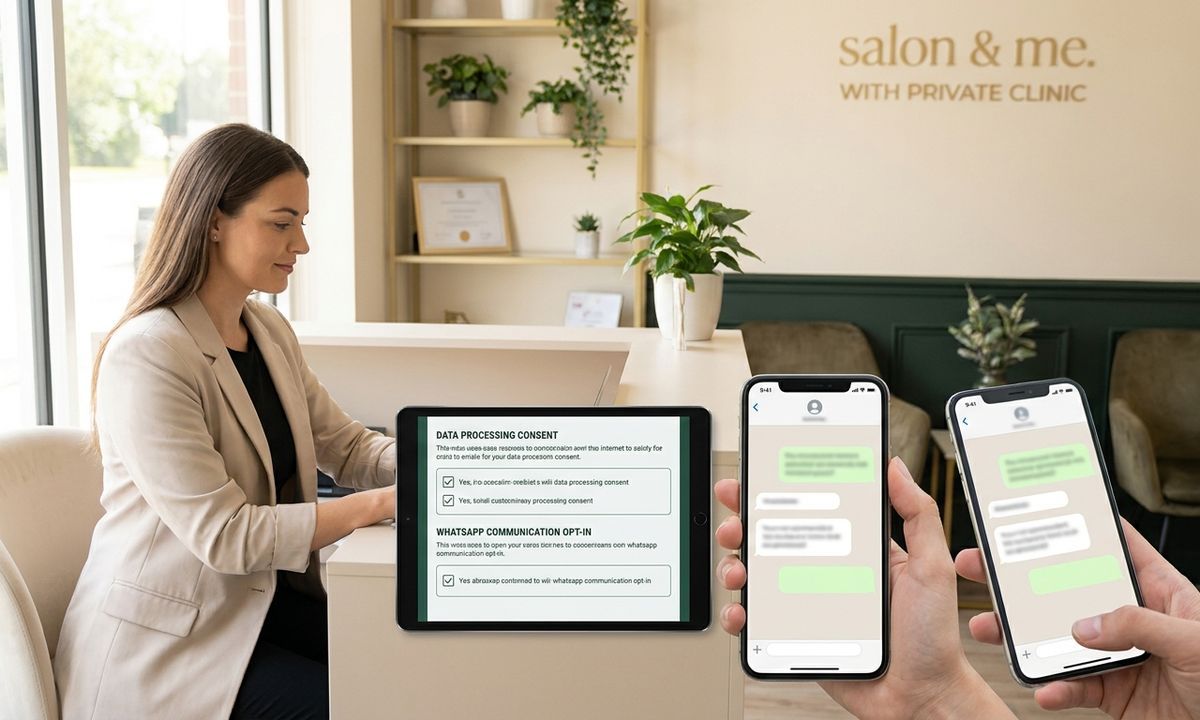
Record when and how each person opted in to WhatsApp marketing, what they agreed to receive and any later opt-out.
Make opting out clear and straightforward in your messages.
Link only the customer and booking information you need to measure campaign outcomes. Restrict access to those records and set a sensible retention period.
For clinics, keep unnecessary health details out of campaign tracking records. Separate sensitive clinical information from routine marketing performance data.
Conclusion
Measuring WhatsApp marketing ROI for UK small service businesses starts with one real business goal, a fair attribution rule and a complete view of the booking journey. Track attended services, subtract the true costs and compare results with demand that would have happened anyway.
Build the process around records your team can maintain. Then use each campaign’s results to improve the next message, fill more valuable appointments and protect contribution profit.
Frequently Asked Questions
What is the 24-hour rule for the WhatsApp Business Platform?
On the Platform, a 24-hour window starts when the customer messages; free-form replies are allowed while it is open.
Once it closes, a business-initiated follow-up on the Platform must use an approved template. A new message from the customer opens another window. This messaging rule does not replace marketing consent or opt-out requirements.
How much does WhatsApp Business cost in the UK?
Use the charges that apply to your chosen service and plan when calculating campaign ROI.
What are WhatsApp marketing rates for UK businesses?
Estimate message charges from planned sends and current rates by message type and recipient market; add provider, CRM and staff costs.
Do I need the WhatsApp Business Platform to measure campaign ROI?
No. You can measure a campaign using the WhatsApp Business app and a booking log, or connect an entry point to a campaign-specific booking code to help identify redemptions without an API integration.
Should I include customer lifetime value in WhatsApp marketing ROI?
Keep realised campaign profit separate from projected customer lifetime value. You can report later repeat purchases over a defined period as a second measure, but do not present forecast future spend as profit already earned.
Can WhatsApp marketing ROI be positive while the campaign still causes problems?
Yes. A positive campaign ROI can hide operational strain if enquiries exceed appointment capacity or staff spend too long handling low-fit leads. Review service capacity and lead quality alongside the financial result before repeating the campaign.
Is WhatsApp marketing worth it?
It can be worthwhile when it helps generate profitable bookings or repeat business at a cost that makes sense for your service. Measure completed outcomes and contribution profit, including staff time and messaging charges, rather than judging success by reads or replies alone.